

What Happens When a Londoner Stumbles Into Vegashero Casino

It was a rainy Tuesday night, the sort of evening that makes you crave a bit of neon escape. I logged onto the site that had been recommended by a friend, and the first thing that struck me was the splash screen: a silver Vegas sign that flickered like a slot machine reel. That visual cue alone was enough to pull me into the game lobby, where I discovered a catalog of over 400 titles, from classic fruit slots to three‑reel video poker.

Game Variety and Software Partners

Vegashero Casino partners with three major developers: NetEnt, Microgaming and Evolution Gaming. NetEnt delivers 150 slots, including Starburst and Dead or Alive 2. Microgaming supplies 90 live dealer tables, such as Live Roulette and Live Blackjack. Evolution brings 60 live casino games that run on a dedicated studio stream. For a player who prefers quick spin‑and‑win moments, the slot library is more than adequate; for those who love the social aspect of live tables, the live section offers a decent selection.

Bonuses, Promotions and the Reality of Wagering

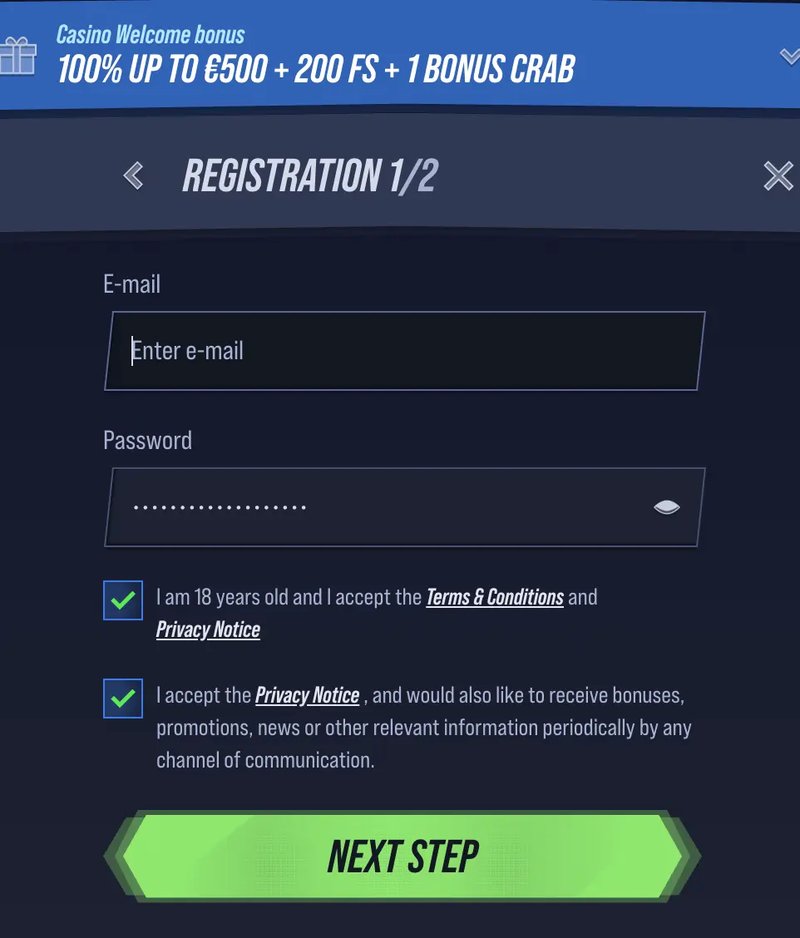
The welcome package is a 100% match up to £200, plus 20 free spins on a single slot. The wagering requirement for the match bonus is 35x, which is on the higher side compared to other UK operators. The free spins come with a 30x playthrough, but they are limited to a single game, Gonzo’s Quest. The site also runs a weekly cashback offer: 5% of net losses from slot play, capped at £50. While the offers are attractive, the high wagering thresholds mean that casual players may not see a return on their deposits quickly.

Payments, Payouts and Customer Service

Deposits are instant via Visa, Mastercard and a growing list of e‑wallets such as Skrill and Neteller. Withdrawals, however, can take 3–5 business days when using a standard bank transfer; e‑wallet requests are usually processed within 24 hours. The minimum withdrawal is £30, and the maximum per request is £3,000. For players who hit the upper limit, the extra processing time can be frustrating. Customer support is reachable by live chat and email, but the live chat queue often exceeds five minutes during peak hours.

Pros and Cons in One Sentence

Pros: a solid mix of slots and live games, a generous welcome bonus, and a straightforward deposit process.

Cons: high wagering requirements, slow withdrawal times for bank transfers, and a live chat queue that can be long.

Final Thoughts: Is It Worth the Trip?

If you enjoy a wide array of slot titles and are comfortable with a 35x wagering requirement, Vegashero Casino offers a reliable playground. The live dealer section is respectable but not outstanding; it lacks the high‑voltage production seen at some competitors. Withdrawal speed is a weak point, especially for those who prefer to cash out quickly. Overall, it’s a solid choice for UK players who value variety and a decent welcome offer, but it may not satisfy the high‑roller or the impatient.

For a taste of the brand’s vibe without committing to a deposit, check out the Vegas Hero page and see what the buzz is all about.
Mobile gaming is turning every coffee shop into a social hub

In 2026, the average person spends 35 minutes a day on a multiplayer mobile game that connects strangers across continents. That number eclipses the 22 minutes people used to spend on video chat apps in 2022. The change is measurable: the average session length in cross‑platform titles grew from 12 minutes in 2023 to 18 minutes now, and the percentage of players who report meeting a friend through a game rose from 12% to 27%.

For those who enjoy both gaming and a bit of high‑stakes excitement, you might also explore online casino options at https://vegasheroo.radio.fm.

Real‑time voice and text integration is blurring the line between game and chat

Game developers now embed low‑latency voice channels that sync automatically with in‑game events. In the popular strategy title Empire Builder, a 3‑second echo delay means that a player shouting “Hold the line!” is heard by teammates instantly, eliminating the lag that once made coordination frustrating. Text chat is no longer separate; it appears in a floating panel that can be pinned to the game’s HUD or detached into a standalone window. This dual‑mode communication lets players switch fluidly between typing quick commands and vocalizing complex tactics.

Cross‑platform play turns local gatherings into global tournaments

Because iOS, Android, and even web browsers now support the same matchmaking protocols, a friend on a phone in Brazil can compete against a rival on a tablet in Japan without the need for a PC or console. The result is a 40% increase in international tournaments hosted by indie studios, compared with 18% in 2024. For casual players, the ability to join a “drop‑in” session with a friend’s friend means that a weekend group of coworkers can suddenly become a competitive team that travels the world virtually.

Image: Mobile gaming is turning every coffee shop into a social hub

Social features are built around shared experiences, not just scoreboards

Games now include “shared moments” galleries where players can upload screenshots or short clips that trigger in‑game rewards. In RiftQuest, a screenshot of a rare boss kill earns the player a cosmetic item for each friend who views it within 24 hours. This mechanic turns achievements into social currency. Surveys show that 65% of players say they keep playing because they enjoy sharing moments with friends, not because they chase high scores.

Mobile gaming’s impact on real‑world relationships

Friends who once met only in person now coordinate daily through game sessions. A study by the Digital Interaction Institute found that couples who play a co‑op game twice a week report a 22% higher satisfaction score than those who do not. The same research indicates that parents who use a family‑friendly game to teach math skills see a 15% improvement in their children’s problem‑solving abilities. These findings suggest that mobile gaming is not just a pastime; it’s a tool for strengthening bonds.

For many, the line between gaming and other entertainment blurs. A quick look at the latest streaming trends shows that 48% of viewers switch from watching a live esports match to joining the game themselves within five minutes. This shift is part of a broader trend where people use mobile games as a gateway to other online experiences. For example, when a new season of a popular game drops, the community often gathers on a dedicated Discord server that also hosts movie nights, music streams, and trivia contests. In this ecosystem, gaming serves as the social glue that brings diverse activities together.

What to look for when choosing a game for social interaction

  • Cross‑platform support – ensures you can play with friends regardless of device.
  • Low‑latency voice chat – look for games that advertise a 3‑second or less delay.
  • Shared‑moment rewards – indicates the game values social sharing.
  • Community tools – built‑in forums or Discord integration help maintain connections.

Bottom line: mobile gaming is a social network in disguise

By 2026, the average person will have spent more time connecting through mobile games than through any other digital medium. The key drivers—instant communication, cross‑platform play, and shared rewards—turn every match into a potential social event. For anyone looking to deepen relationships or simply enjoy a new way to connect, the next time you pick up your phone, consider a game that prioritizes interaction over solo play. The future of socializing is already in your pocket.